A cloud-based service for integrating 2.5D scans into 3D models
With the advent of high resolution 3D scanners, the need for efficient system for integrating directional scans (2.5D) into a full 3D model emerged. As this task is computationally expensive, at that time (2010 – 2015), not everyone could afford a PC capable of handling such a task.
I was responsible for creating a cloud-based solution to tackle the problem. At that time, cloud-based meant that it utilized high-performance servers hosted out-of-premises, which customers accessed by a web-based control system. The system allowed to queue the computational tasks not to overwhelm the machines and distribute the load in an efficient way.
My role in the project: Software team leader, 3D data processing expert
| Task | Description |
|---|---|
| Team leader | Coordinated the work of backend, frontend developers as well as the computational library authors. Led the process of testing the developed solution. |
| 3D data processing expert | Developed algorithms for integrating 2.5D cloud points into 3D model. These algorithms were based on correlation of feature vectors of characteristic points detected on the surface of scanned object. Depending on the particular object, they could be based on shape, color or their combination. Fine adjustment was done using iterative closest point algorithm. |
| 3D data processing expert | Implemented algorithm for efficient triangulation (converting point cloud into triangle mesh). |
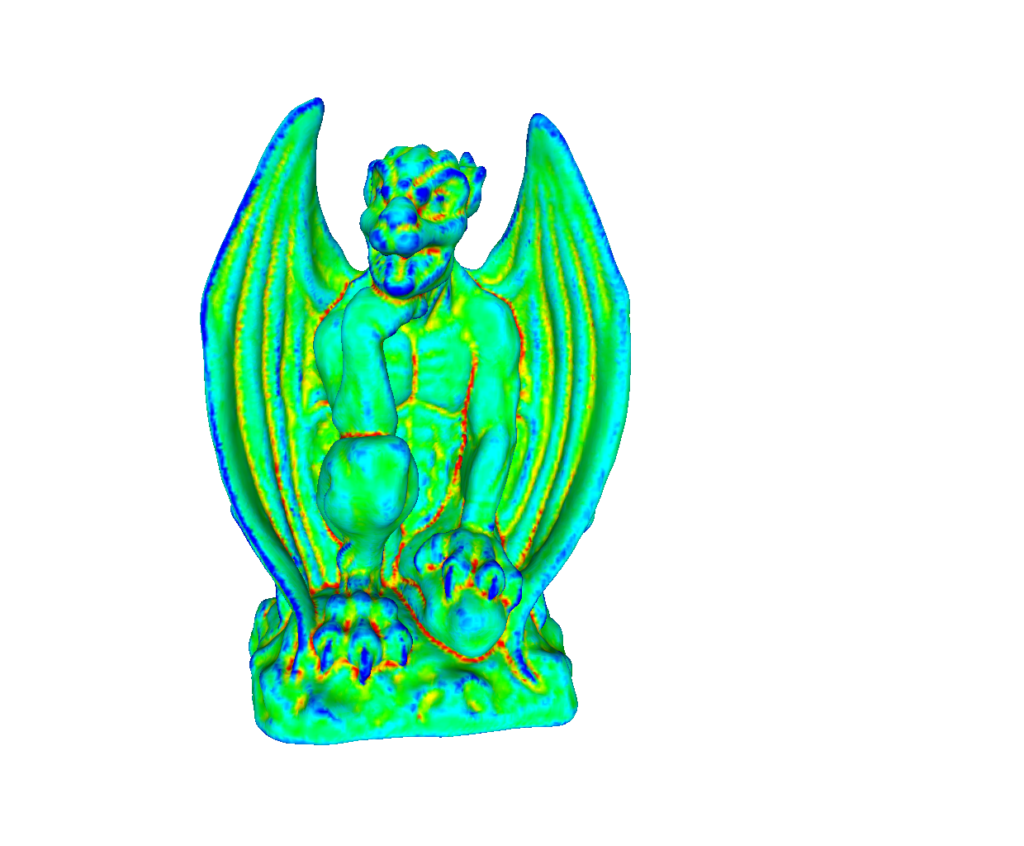
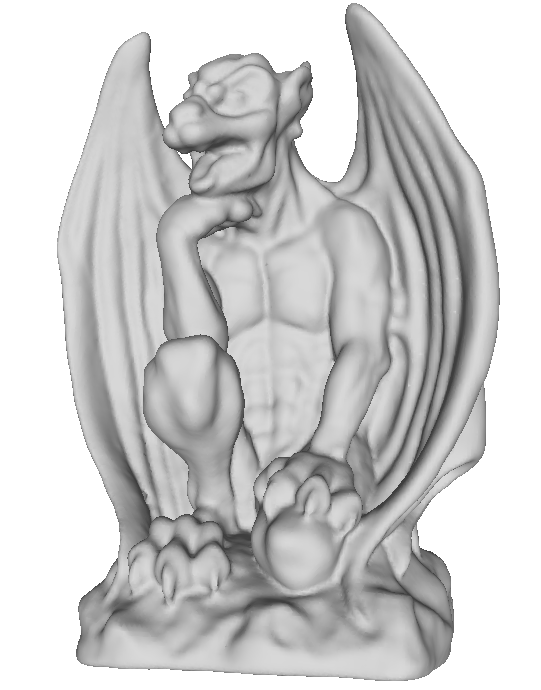
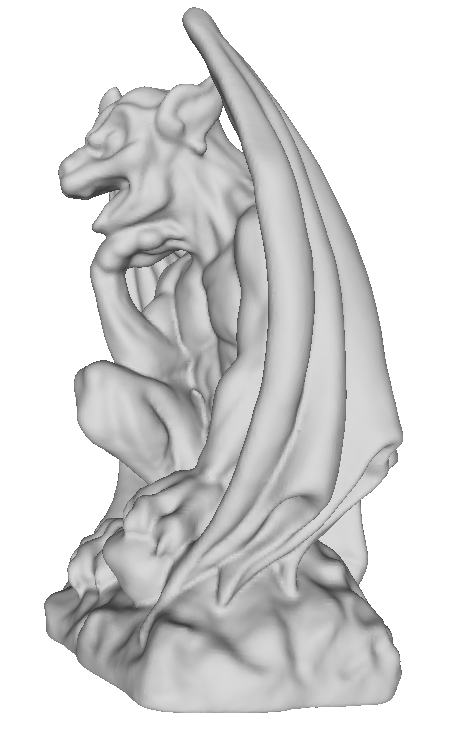
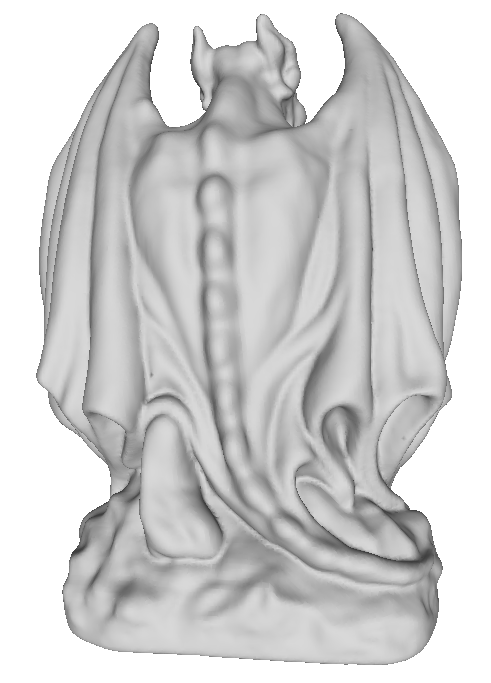
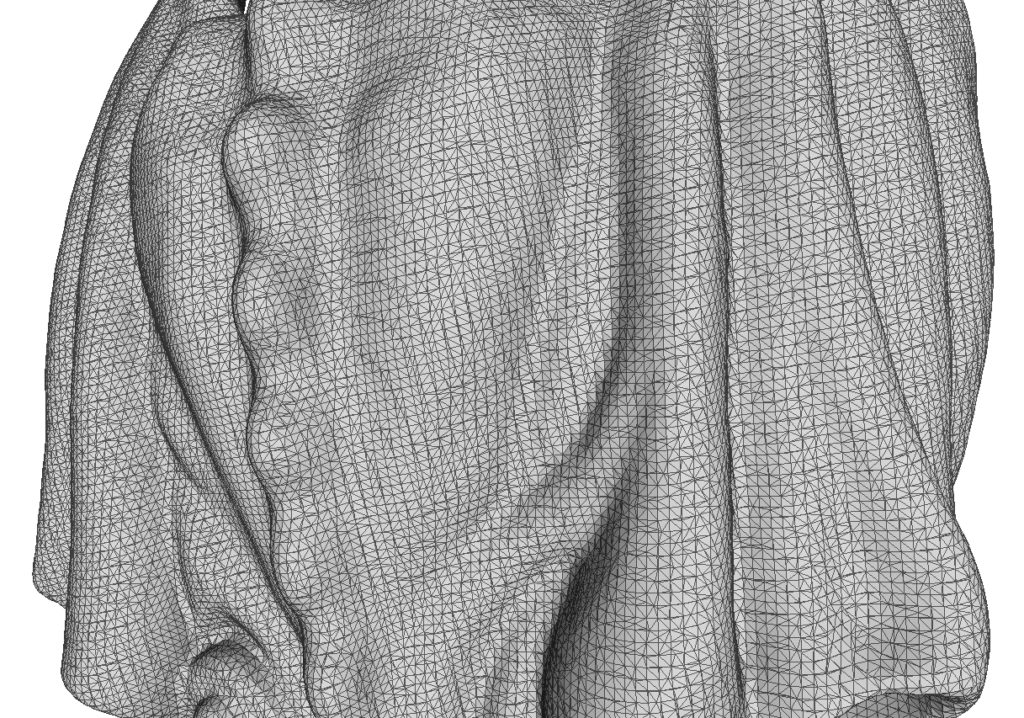
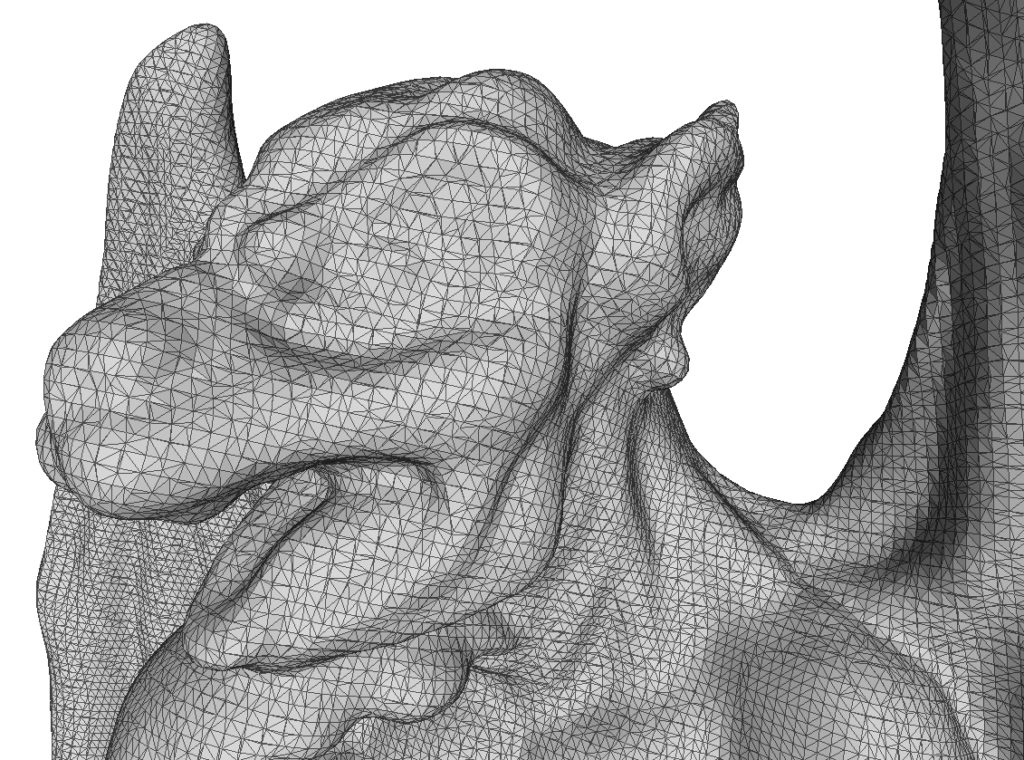
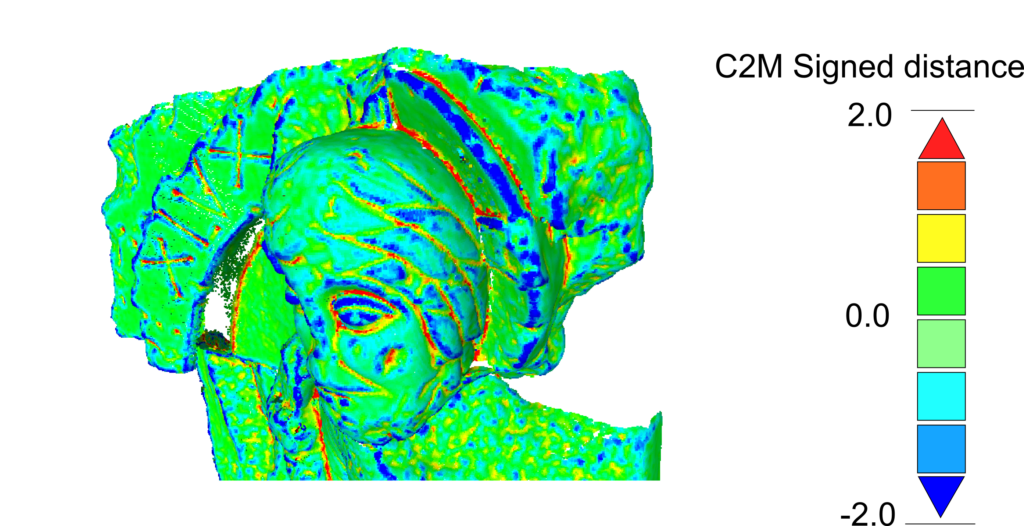
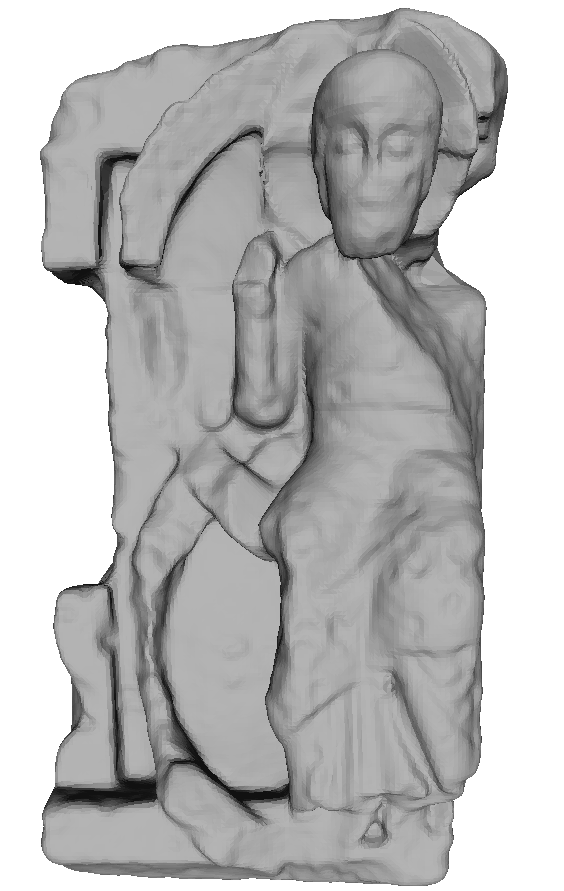
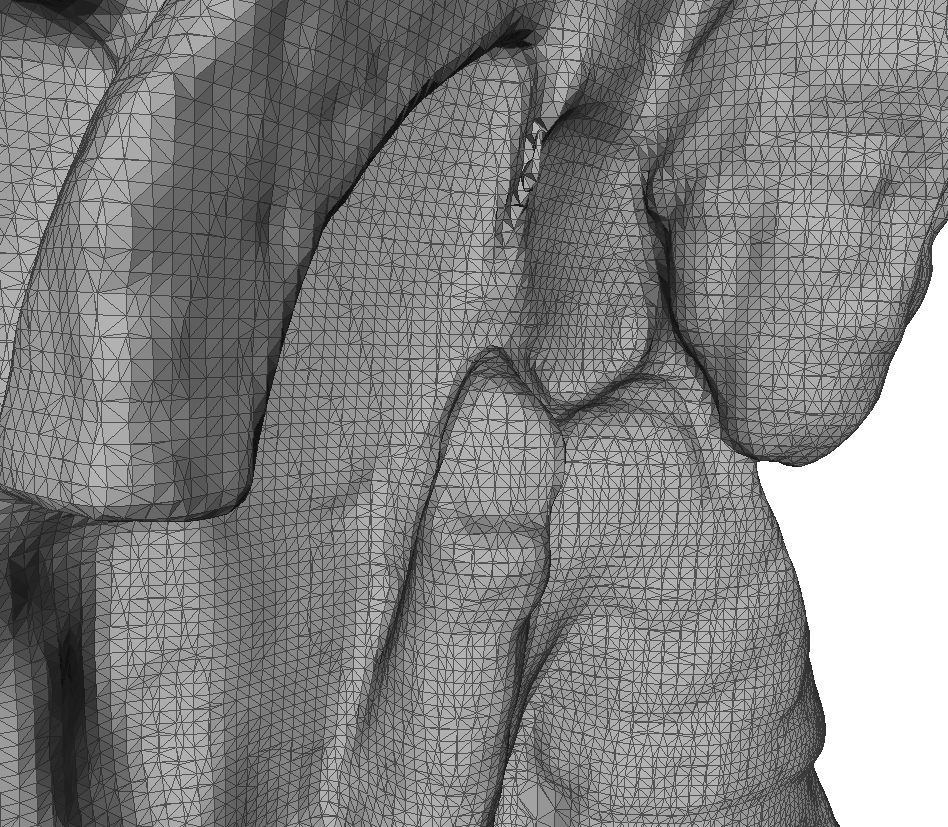

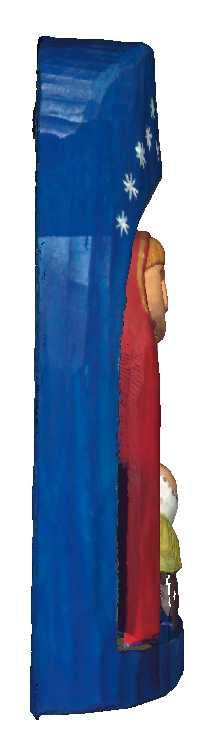
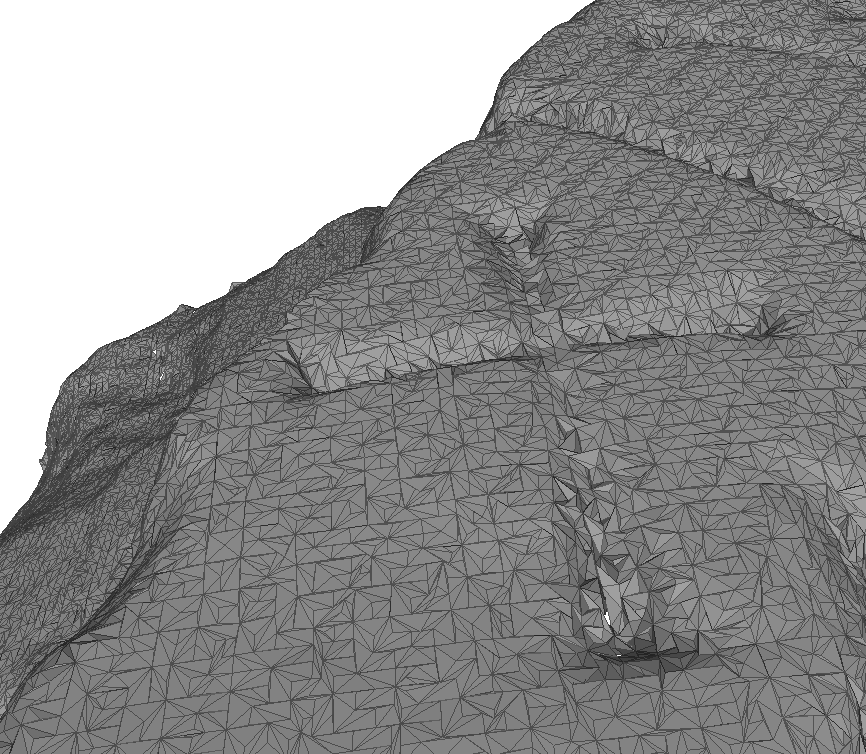
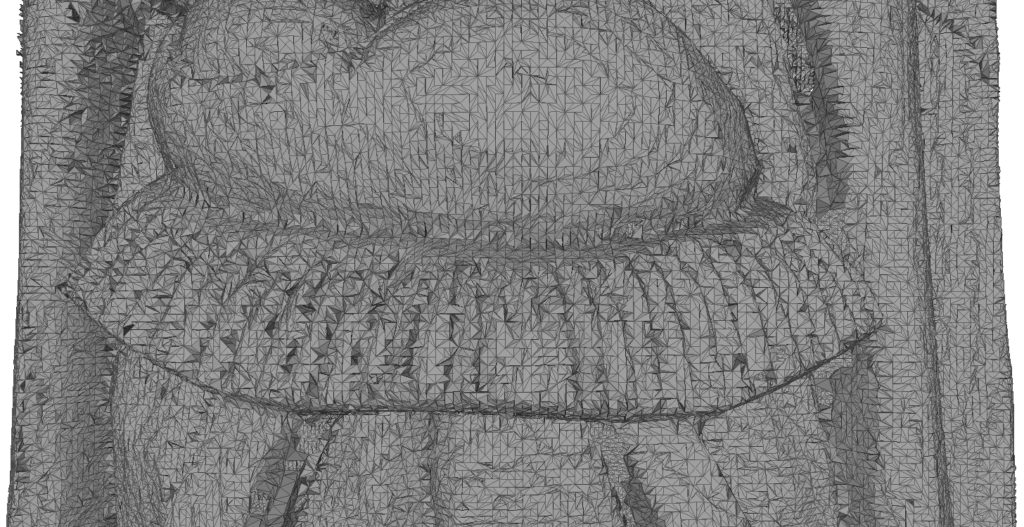
Screenshots of exemplary triangle meshes created with the system